Reclaimed Wood vs. New Oak Shelving for City Apartments: Cost, Care, and Character
A shelf is the hardest-working piece of furniture in a small flat. It holds the cookbooks, the router, the good glasses, the pile of post you keep meaning to sort. In a room where everything sits within arm's reach, the material on that shelf reads louder than it would in a house with a hallway and three spare bedrooms.
Reclaimed wood and new oak are the two boards most people end up weighing against each other. They look like cousins in a photograph and behave like distant relatives in real life. One brings a history, a wobble and a bit of maintenance. The other brings predictability and a clean, quiet grain. Knowing which trade you are happy to make is most of the decision.
Character You Can See From the Sofa
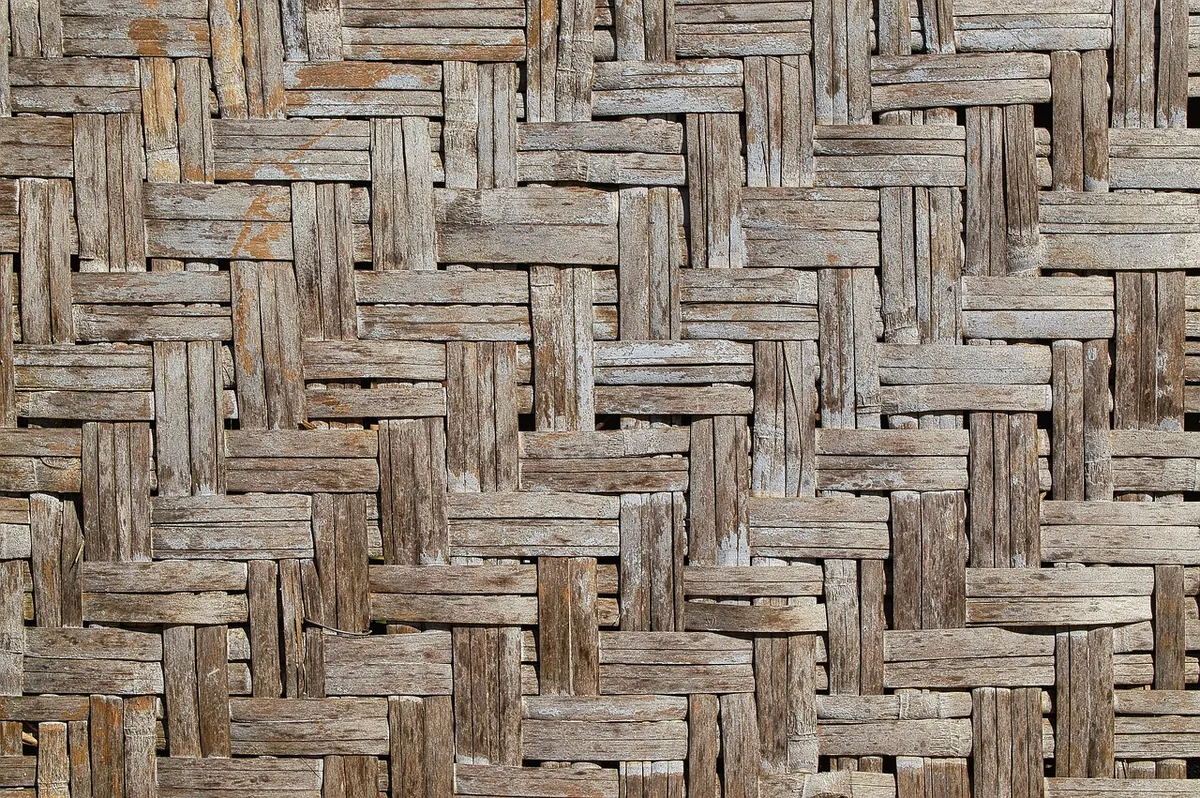
Reclaimed timber earns its keep visually. A board pulled from an old joist or a demolished school bench tends to be thicker than anything sold new, and it carries marks you cannot fake convincingly: nail holes, saw kerf, a dark ring where a pipe once sat, colour that shifts from honey to almost grey along the same length. In a small room this is useful. One chunky reclaimed shelf on a bare plaster wall does the work of a picture, and it stops a plain wall from feeling blank.
New oak is quieter, and that is its strength. A well-planed oak board lets your ceramics, tins and paperbacks be the interesting thing. Rift-sawn and quarter-sawn oak show a straight, calm grain that stays flat and looks good under a wall light. Buy new oak if you want the room to feel light and uncluttered; buy reclaimed if you want the room to feel collected.
Many people do both, and sensibly: reclaimed for the shelf on show, new oak for the inside of cupboards and the utility shelf above the washing machine where nobody looks closely.
The Honest Cost Comparison
New oak is priced per linear metre or board foot, machined square and sanded, and the price you see is close to the price you pay. You know the thickness, the width and the grade before it arrives. That predictability is worth money when you are fitting shelves into an awkward alcove and cannot afford to lose 20mm to a twist.
Reclaimed is messier to budget. Rough salvage can be surprisingly cheap, or even free if you are willing to spend a Saturday with a crowbar and a friend's van. But clean, dry, kiln-treated reclaimed boards from a proper yard often cost more than new oak of the same size, because somebody has already removed the nails, planed the faces, cut out the rot and checked it for pests. Wide boards and long lengths carry a premium in both markets.
Then come the costs people forget:
- Heavier brackets and longer masonry screws, because old timber is thicker and denser than a 18mm pine board.
- New blades, or a planer you have to hire, to true up a twisted edge.
- Finish — hard wax oil, soap or lacquer — and the brushes and cloths that go with it.
- Time. Denailing, sanding and filling nail holes is a weekend job, not an afternoon one.
The cheapest board in the yard is rarely the cheapest shelf on the wall.
Stability, Moisture and Small Rooms
Wood moves. Old wood moves differently. Much of the reclaimed timber in salvage yards was air-dried for decades before it was cut, and it may still hold more moisture than a kiln-dried board. Bring it into a heated flat in January and it will shrink, cup or split as it adjusts. Let any board sit flat in the room where it will hang for a week or two before you cut it. A cheap moisture meter takes the guesswork out of it, and a yard that can tell you the moisture content is a yard worth buying from.
Span, load and wall type
In small flats the shelf is usually fixed to something awkward: lath and plaster, a chimney breast, a single skin of brick, or a stud wall with a surprise pipe inside. Plaster alone will not hold a loaded shelf. Find the studs or use masonry fixings rated for the wall you actually have, and keep the span between brackets short — a thick reclaimed board over a long gap will sag under books just as readily as a thin new one. Keep brackets close to the ends and add a middle support on anything wider than a metre. If you are hanging something genuinely heavy, or the wall looks suspect, ask a builder before you drill.
Bathrooms and kitchens are the hard cases. Steam and splashes push solid oak around, so a shelf directly above a shower or beside a hob needs a proper sealing finish on all faces, including the underside and cut ends. Reclaimed wood that has spent a century in a dry roof space can react badly to a damp bathroom; seal it thoroughly or put it somewhere kinder.
Care: Oil, Wax and Not Much Else
Both materials are undemanding once finished, and the routine is nearly identical.
- Dust with a dry microfibre cloth. Damp cloths only for sticky marks, and dry immediately.
- Re-oil or re-wax once a year, or when water stops beading on the surface.
- Use felt pads or small saucers under plant pots and oil bottles; rings are the most common damage.
- Keep shelves away from radiators and the space directly above a kettle.
- Check the brackets and screws yearly and tighten anything that has worked loose.
New oak takes hard wax oil beautifully and looks better after two or three years of use. Reclaimed wood rewards a little more patience: decide early whether to keep the nail holes and dents visible or fill them, and be careful with old paint. If a board carries flaking paint of unknown age, do not sand it dry in your kitchen — seal it or take advice before you start abrading it. Splinters on rough edges can be knocked back with a light sanding and a coat of wax.
Sourcing Without Getting Burned
For reclaimed, go to architectural salvage yards and demolition sales rather than buying blind online, and look at the end grain and the underside, not just the pretty face. Check for fresh frass, tiny exit holes or soft patches. Ask how the timber has been stored, and whether it has been kiln-treated. Buy 10 per cent more than you need; cutting around cracks and old fixings eats length. For new oak, ask for certified timber and check that the boards are consistent in thickness before you commit — a mixed bundle will fight you at the brackets.
Start With One Wall
You do not have to choose a side for the whole flat. Pick the wall you look at most — usually the one opposite the sofa or beside the kitchen counter — and give it one board with real presence. Measure twice, let the timber acclimatise indoors, finish it flat on the floor before it goes up, and fix it into something solid. Live with it for a season. If the room feels warmer and calmer, add a second. If it feels busy, the next shelf can be plain, quiet oak. Either way, you will have learned how your flat, your light and your habits treat wood — which is more than any comparison can tell you.
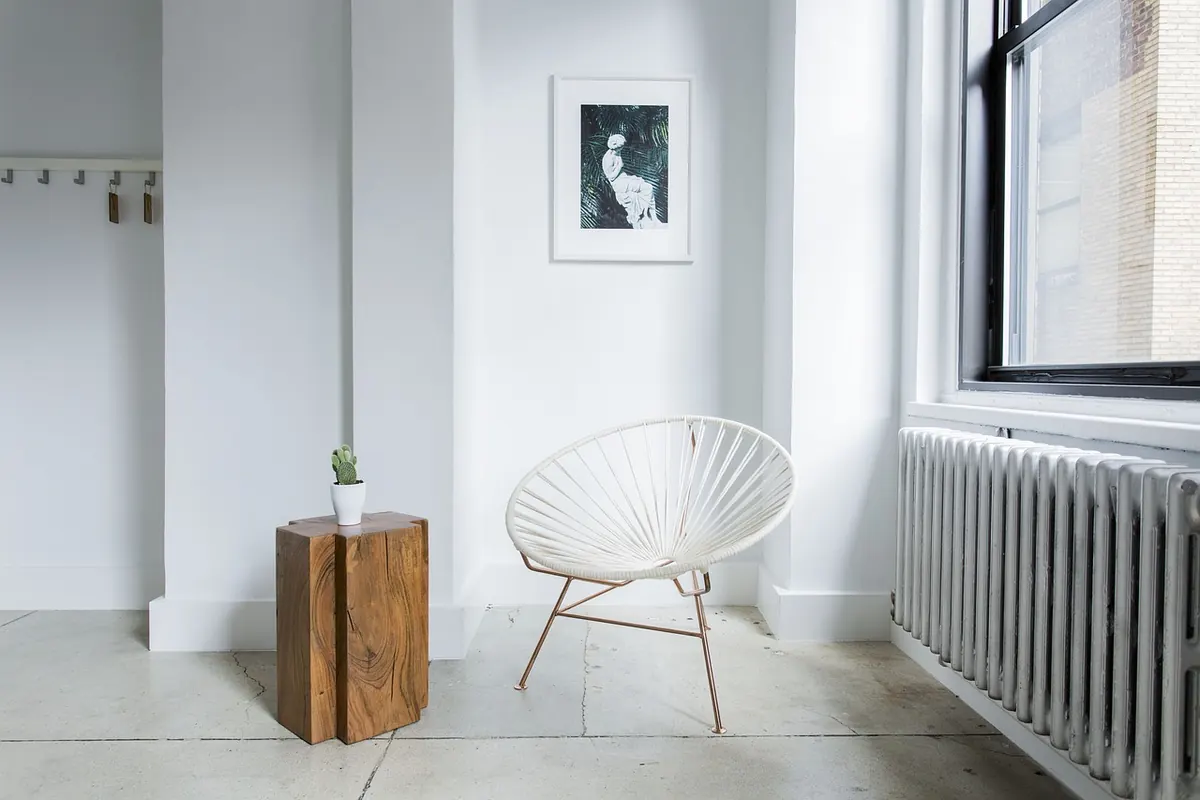
Photo: StockSnap / Pixabay